The Conversation
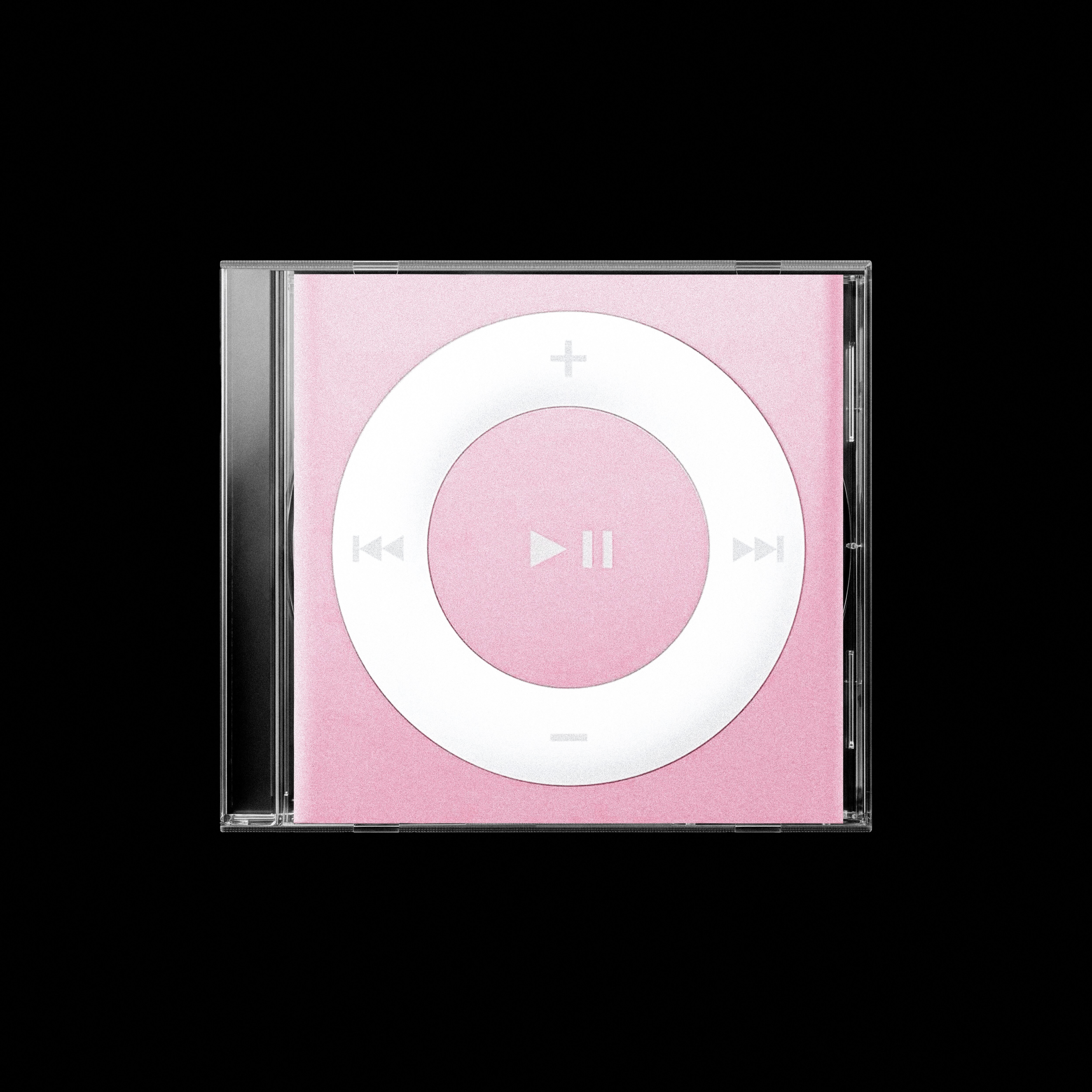
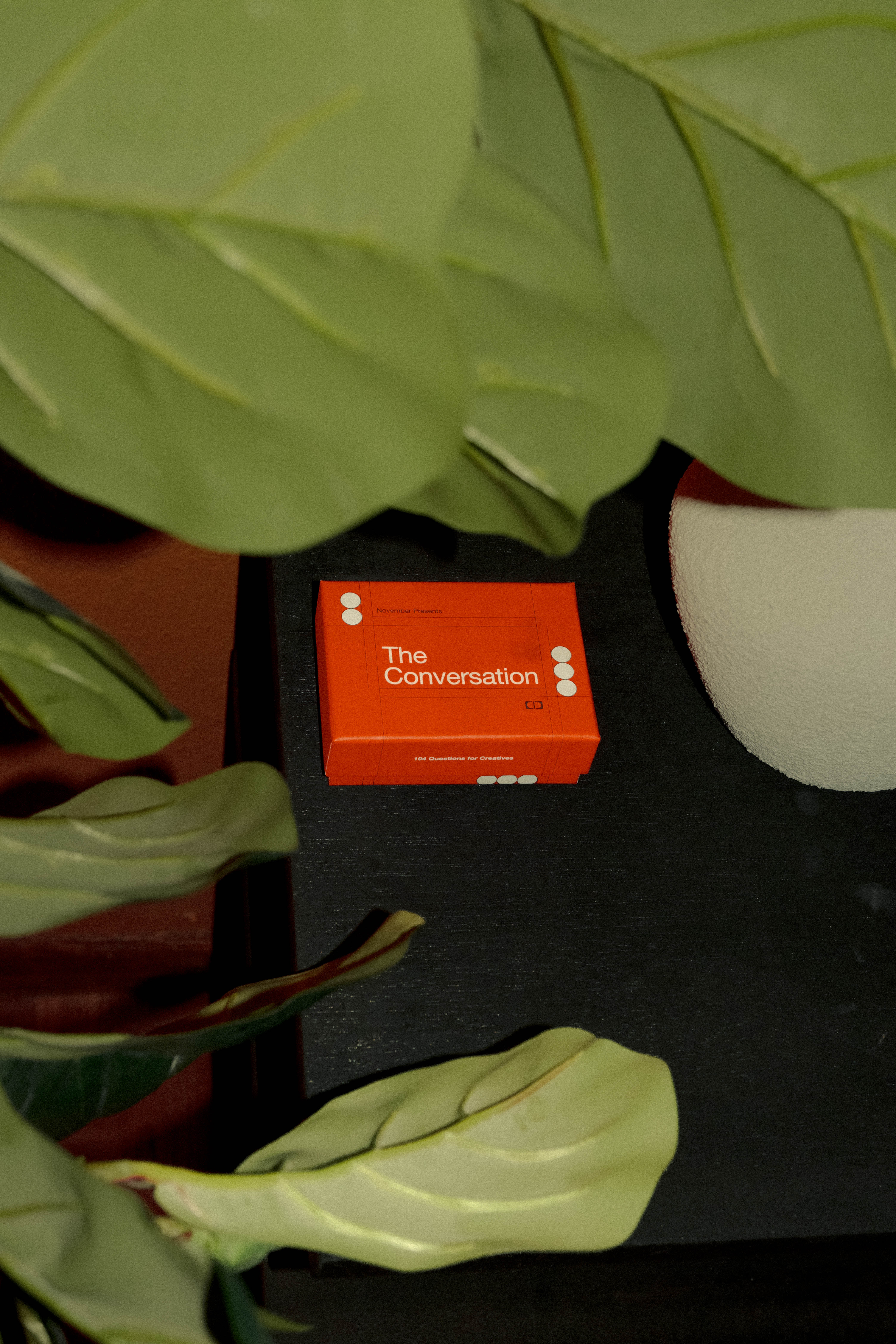
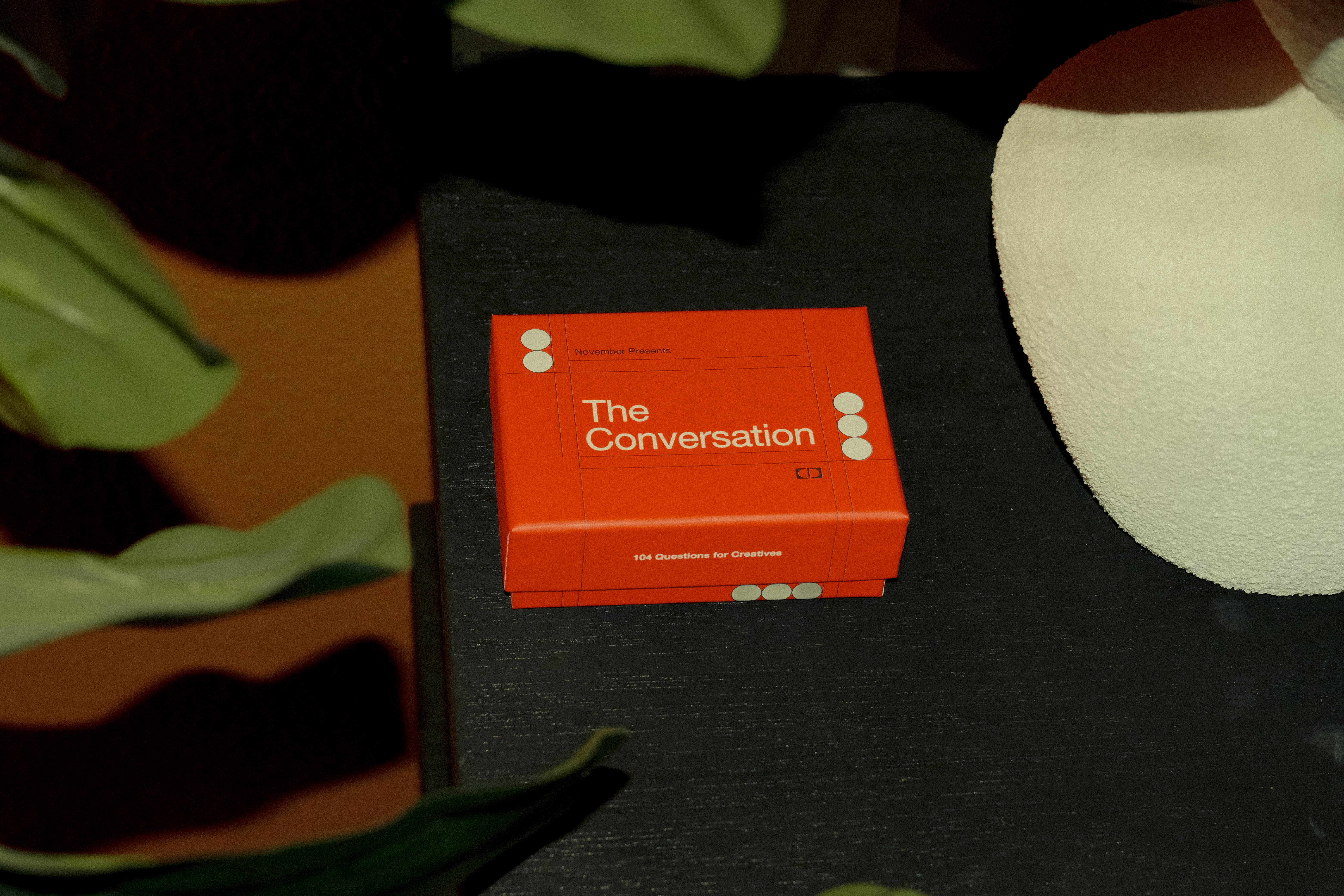
The Conversation: 104 Questions for Creatives, is a 52-card playing deck designed to spark deeper dialogue around the experience of making things. Created as a fixture of the November universe, the project marked a shift from fashion as the brand’s primary medium toward something more participatory: a physical object built around creative community, curiosity, and conversation. Each card contains two questions, resulting 104 prompts that move between the practical, emotional, uncomfortable, and aspirational sides of creative work. My role spanned the development of the product from concept, copywriting, card and packaging design, production sourcing, to market.

Client
The Conversation
Date
©
2026
Services
Creative Direction · Product Design · Campaign Design

The Making of a Card Game
November has always been interested in the people and ideas surrounding the creative community.
We wanted to make an object that could become useful in studios, classrooms, dinner parties, creative teams, on coffee tables, or one-on-one conversations.
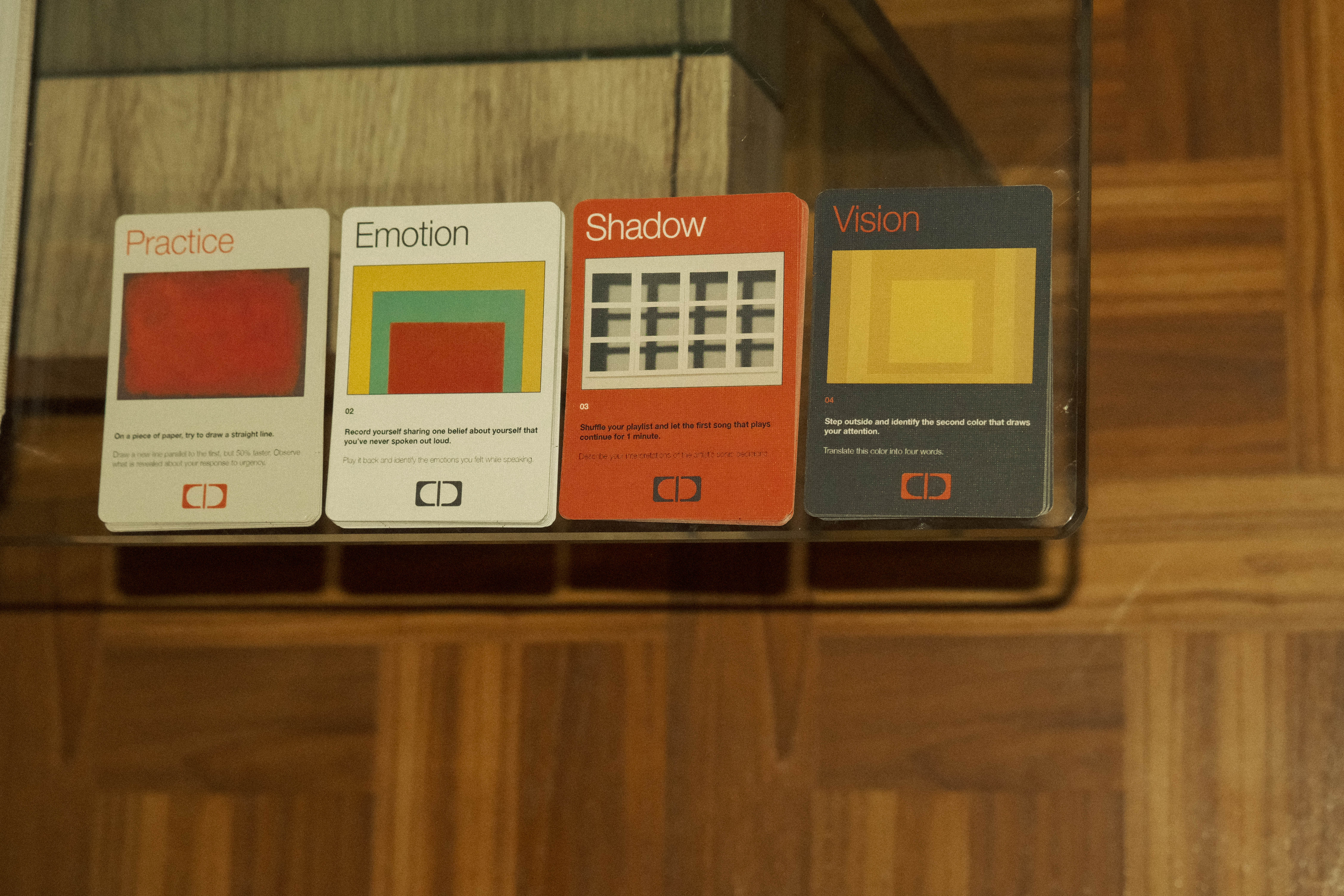
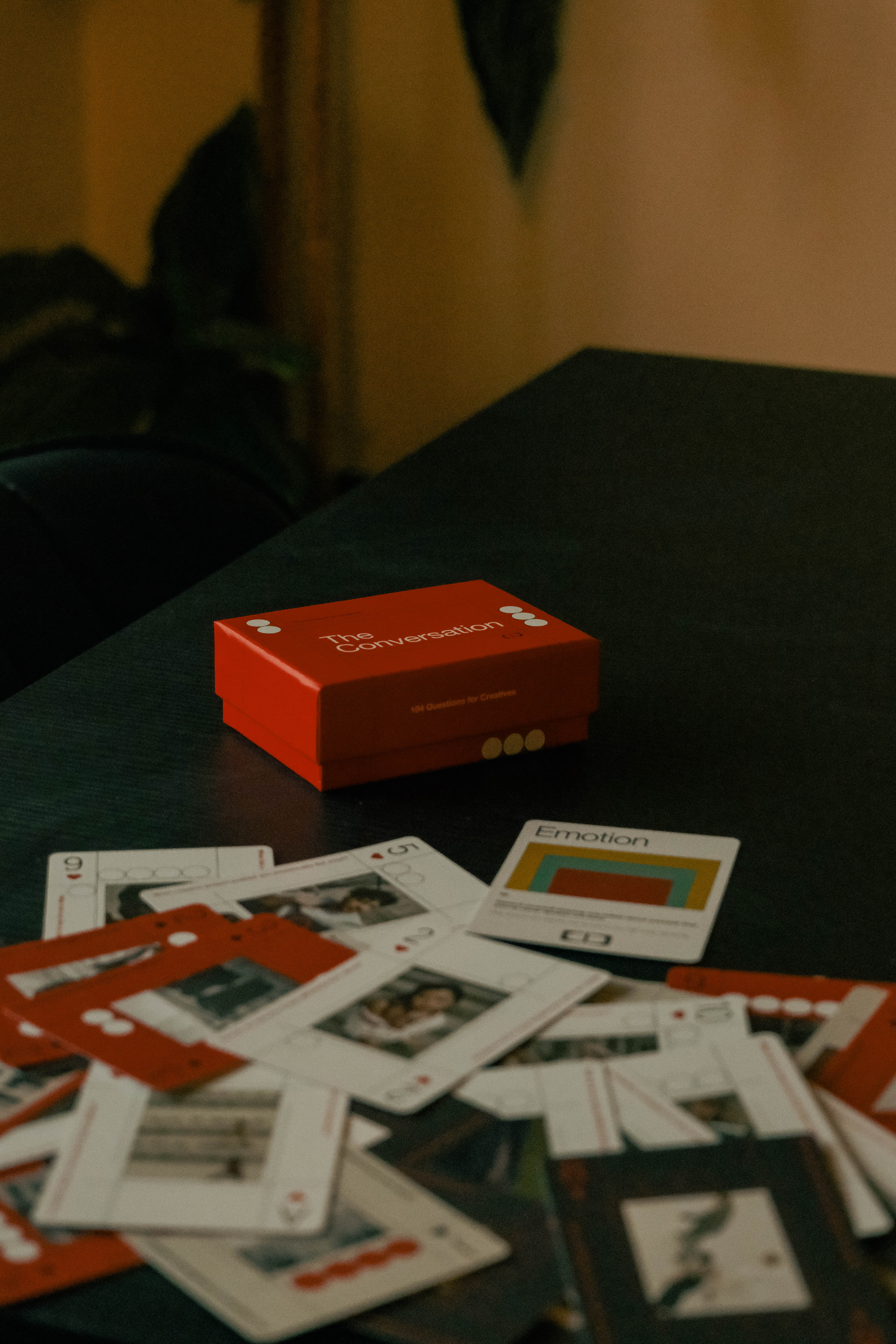
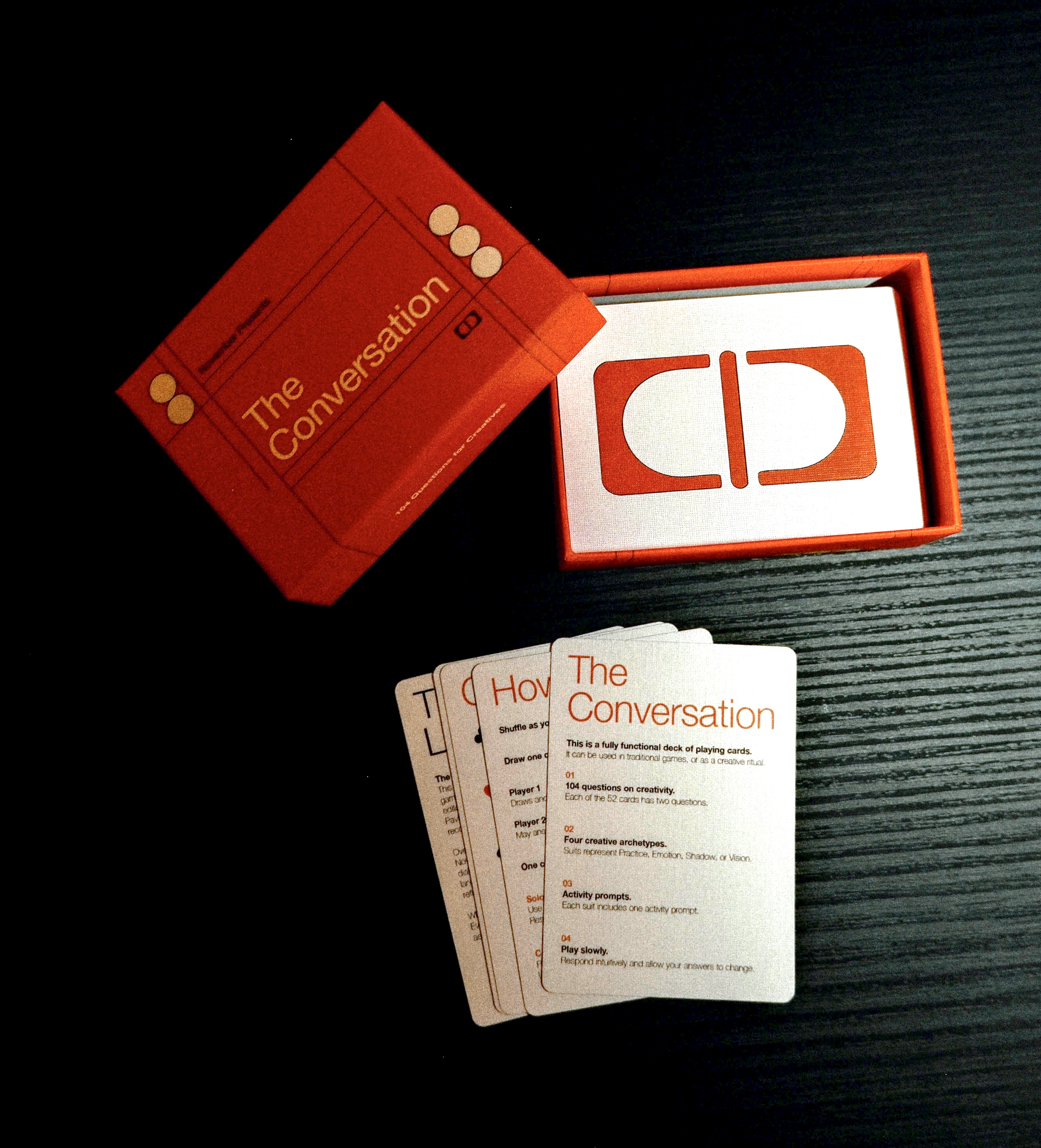
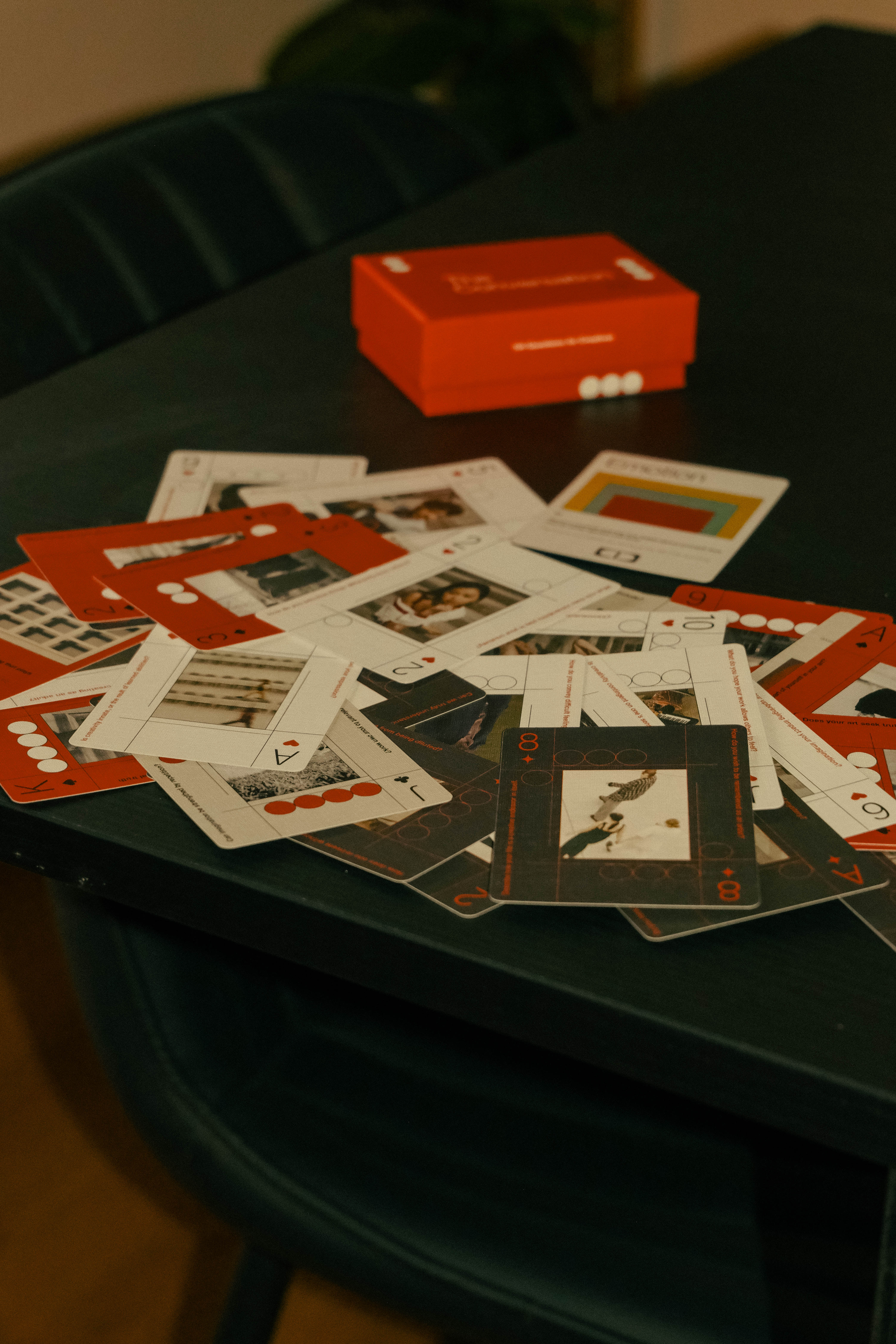
The Conversation resulted in a fully functional deck of playing cards reimagined as a creative tool: 52 cards, 104 original prompts, and four thematic suits designed to reflect different dimensions of the creative experience.
♣︎ Practice - Discipline, Ritual, Process
♥︎ Emotion - Memory, Vulnerability, Feeling
♠︎ Shadow - Doubt, Fear, Resistance
♦︎ Vision - Aspiration, Identity, Impact
The concept was rooted in a simple belief: meaningful creative work rarely begins with answers. More often, it begins with better questions.
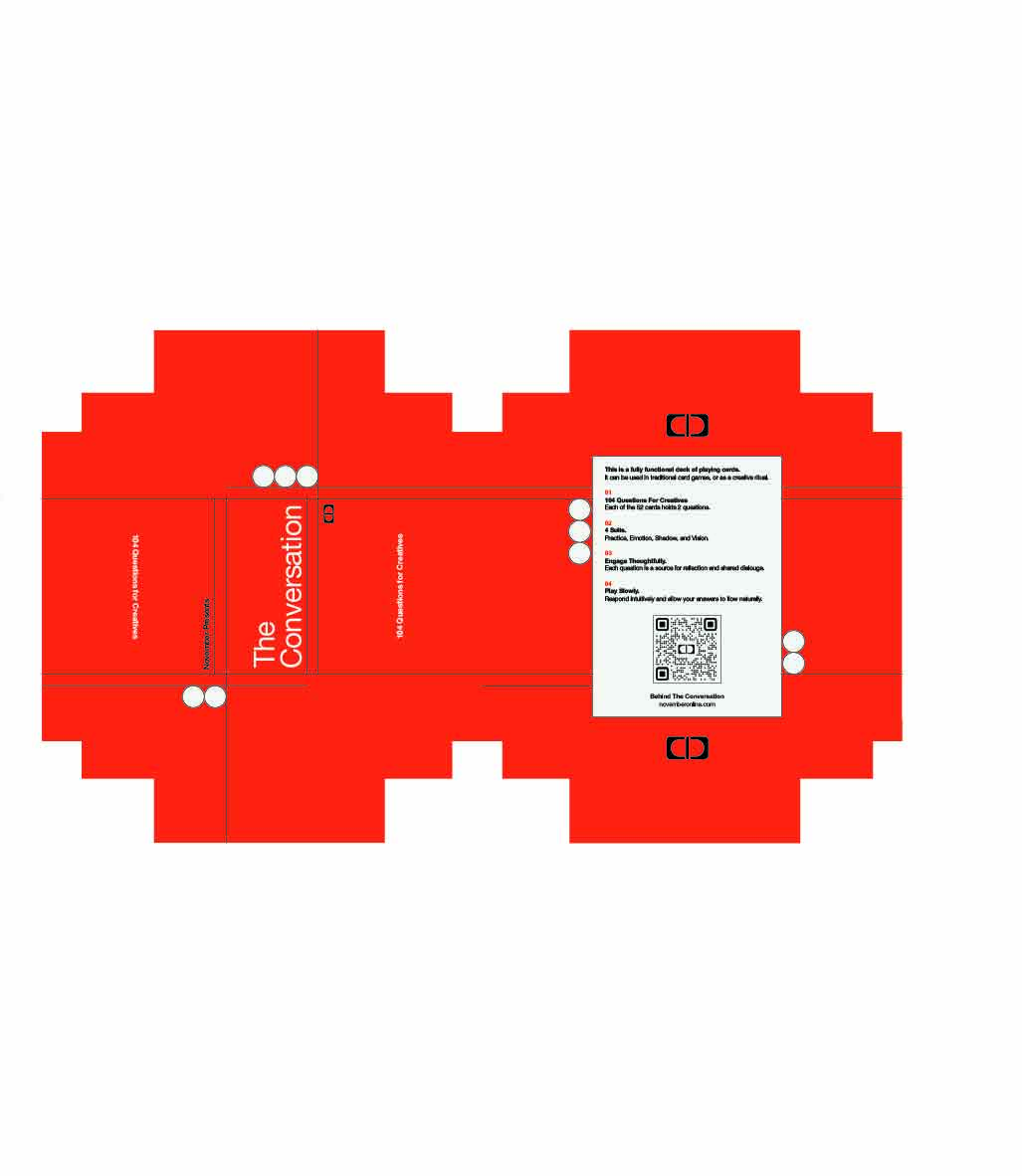
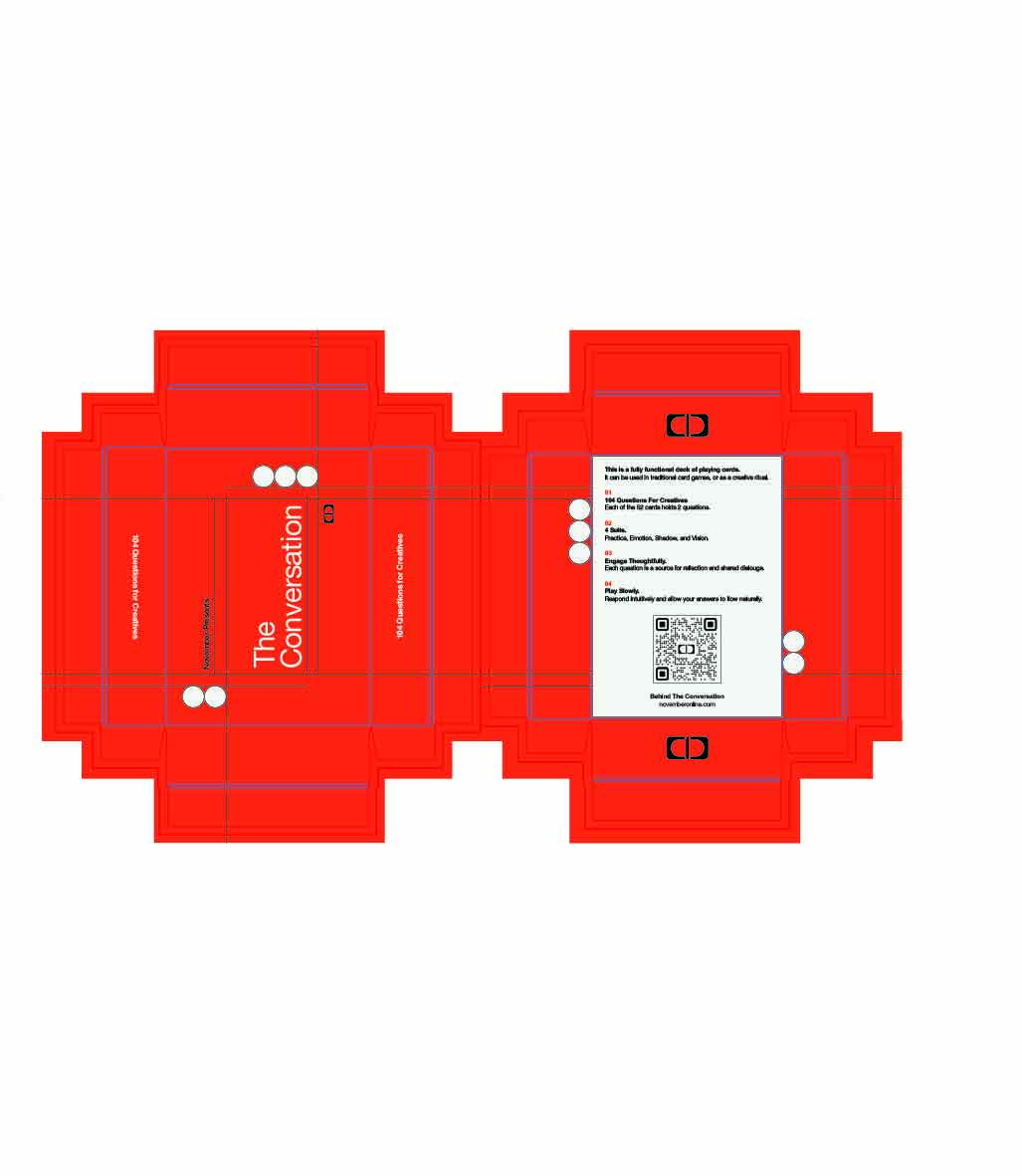
Building the System
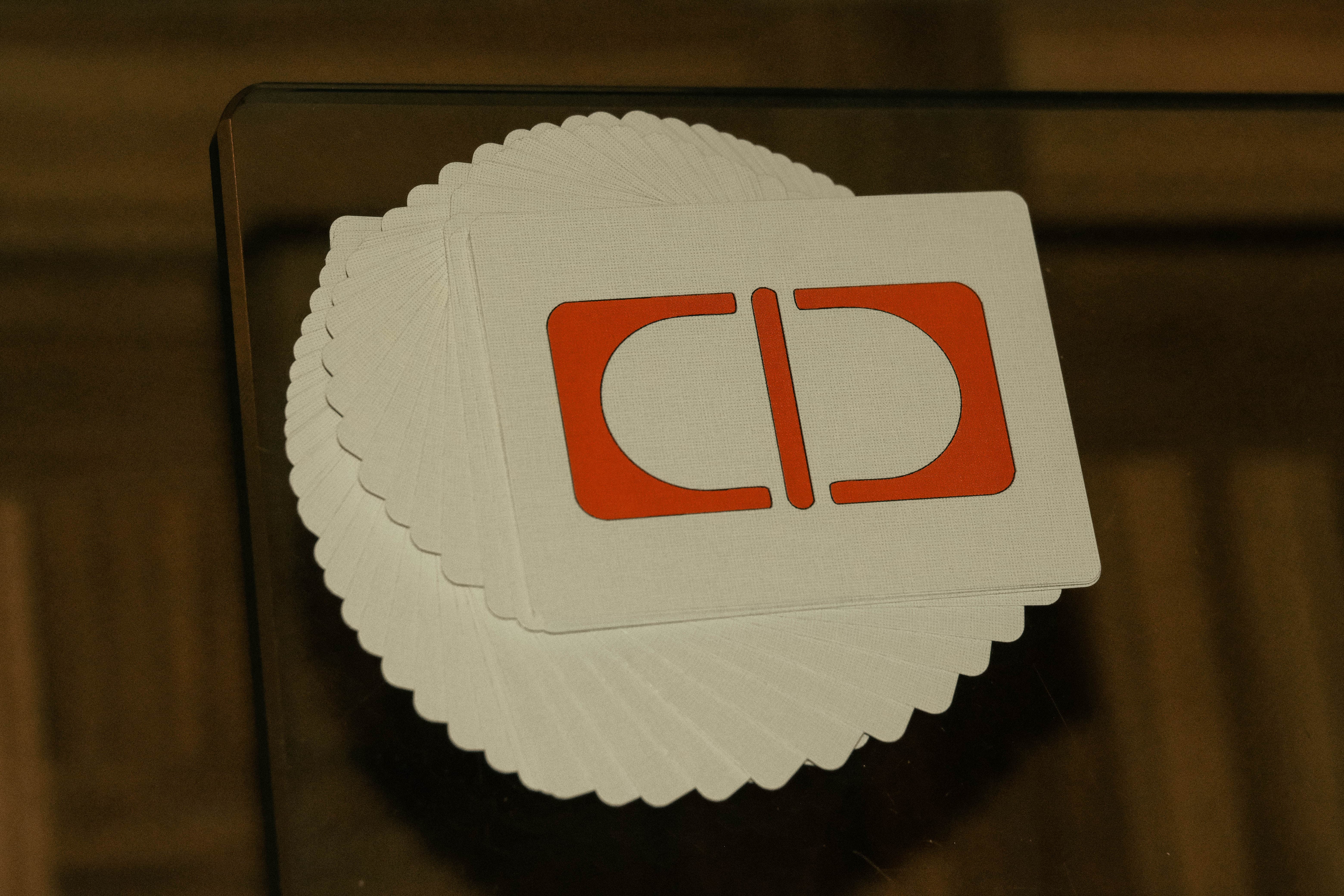
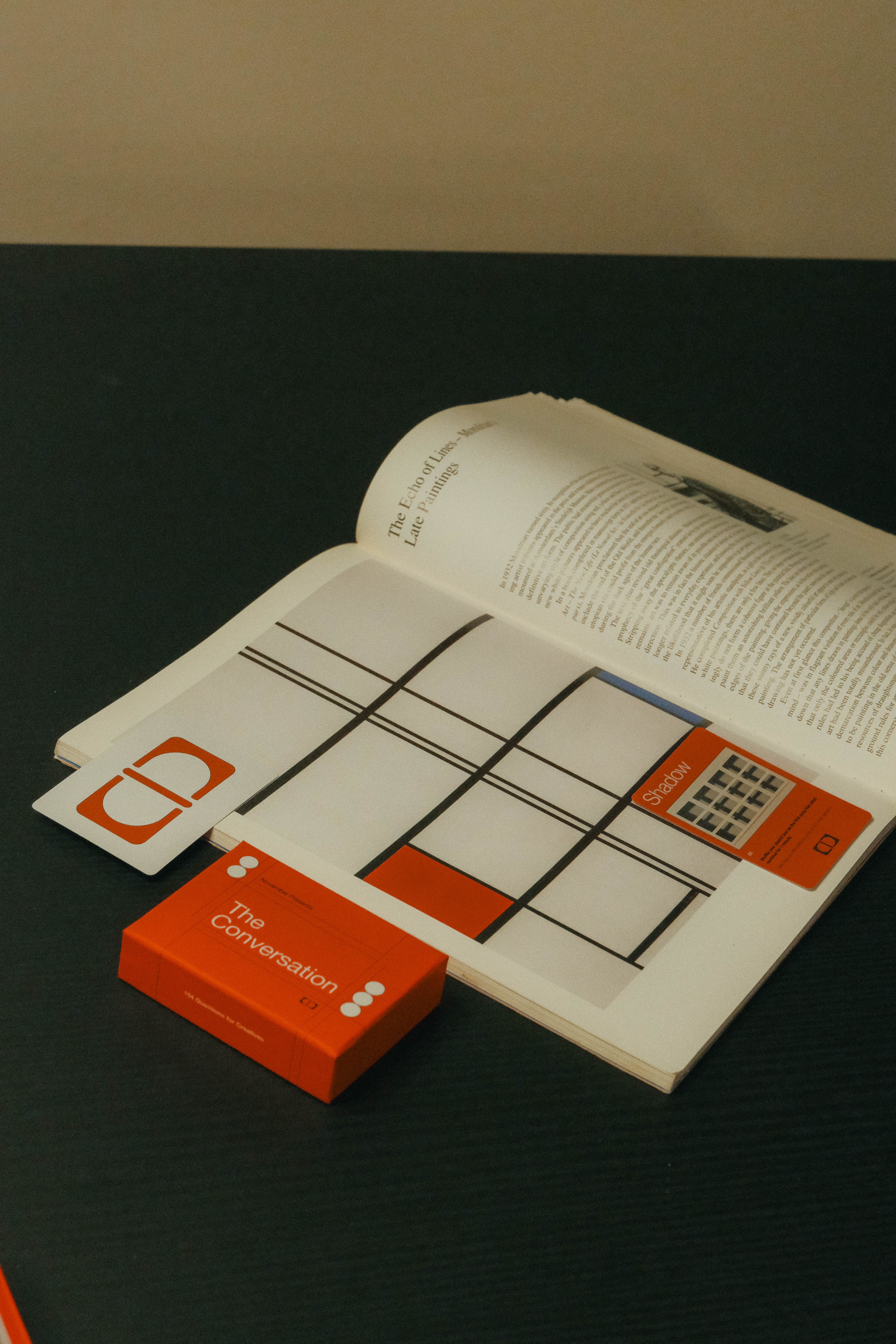
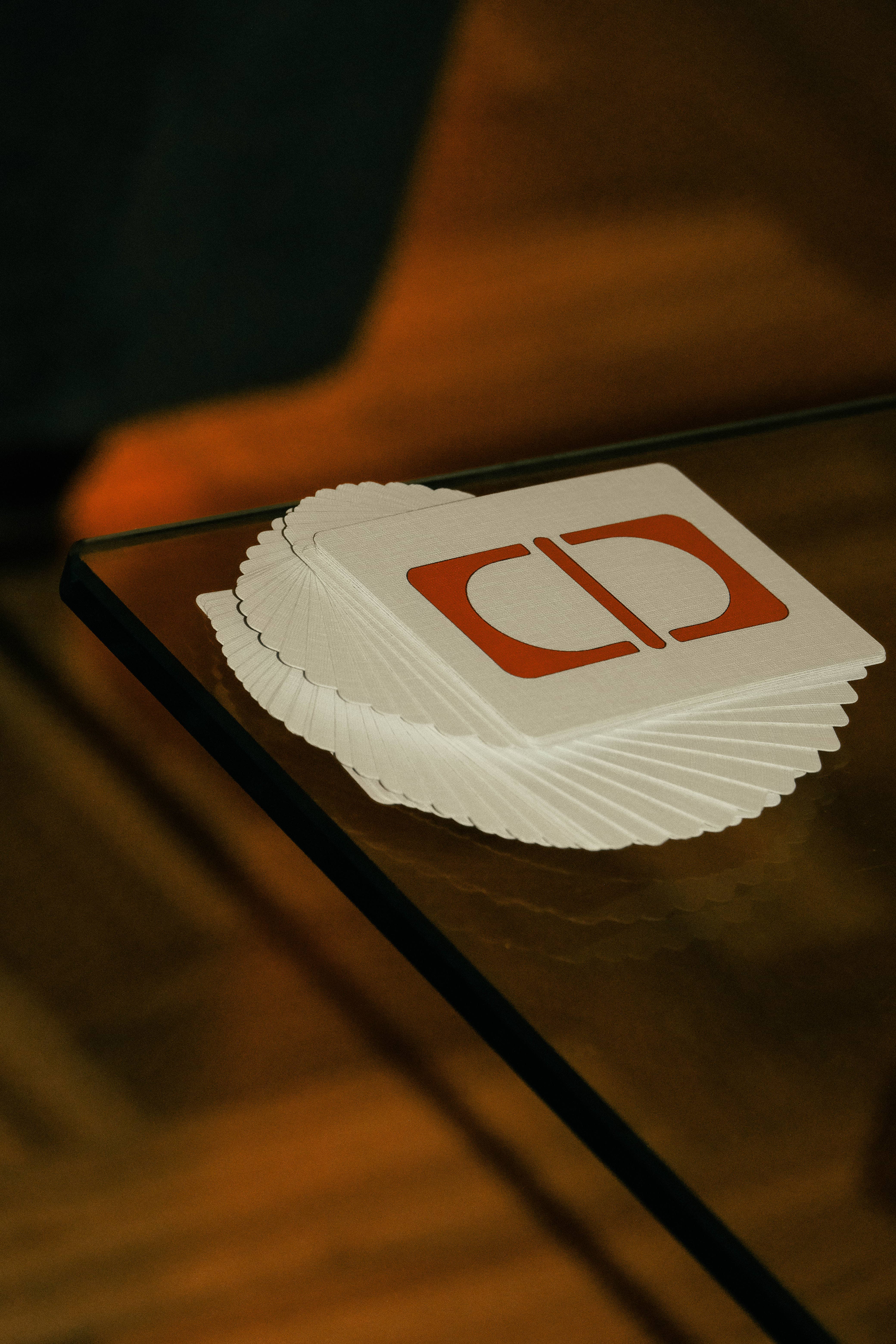
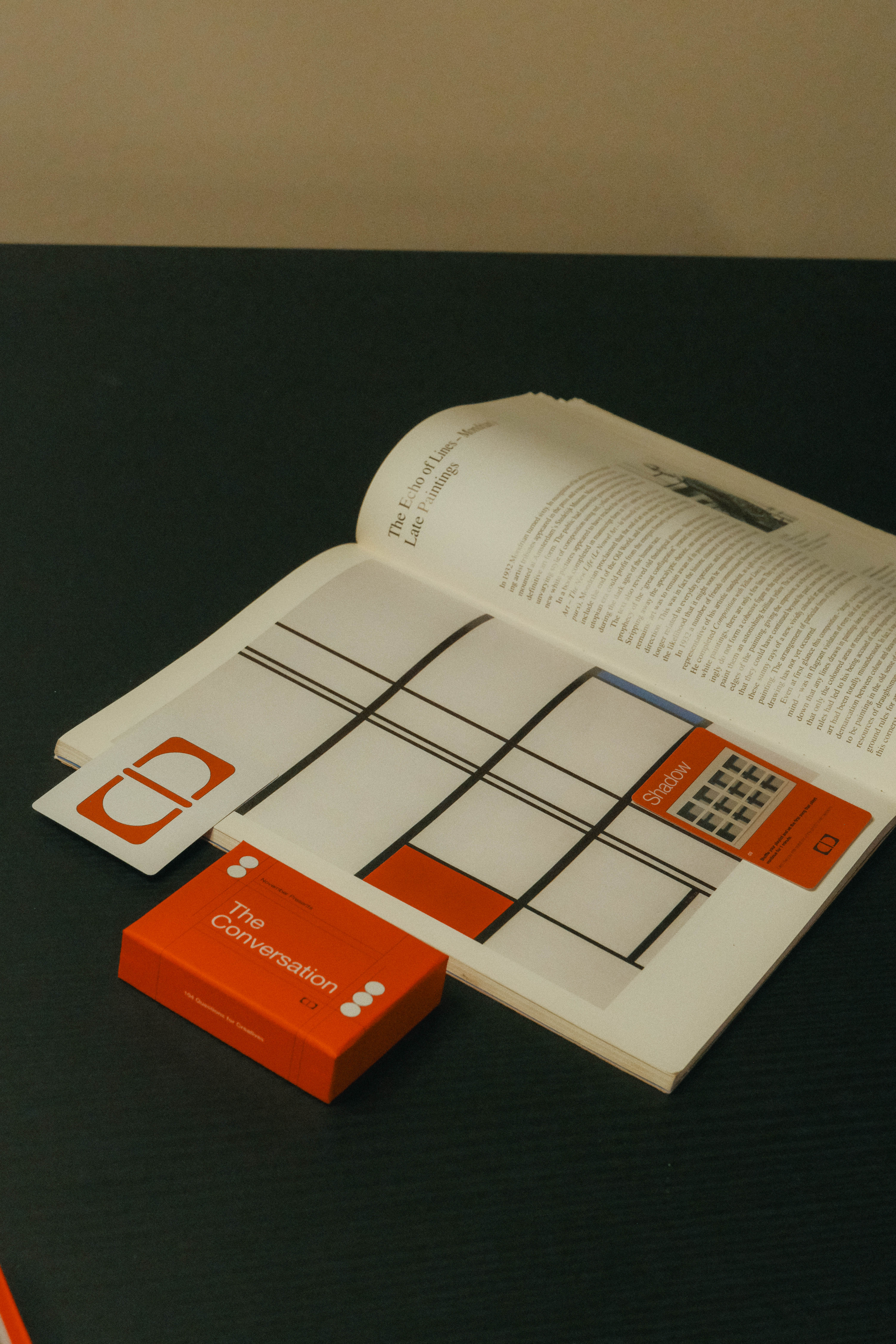
The familiar structure of a traditional playing-card deck provided an intuitive foundation, while the visual language drew from modernist inspirations.
A circular and line work system has become signature to the November brand identity, and was utilized throughout the card game to further symbolize each card number. Every card includes the same number of circles as it's value, ie; Jack - 10 circles.
Each suit operates as its own thematic category, giving the questions a clear framework while creating enough variation to encourage discovery. Together, they form one cohesive system that can function both as a traditional deck of cards and as a tool for reflection and conversation.
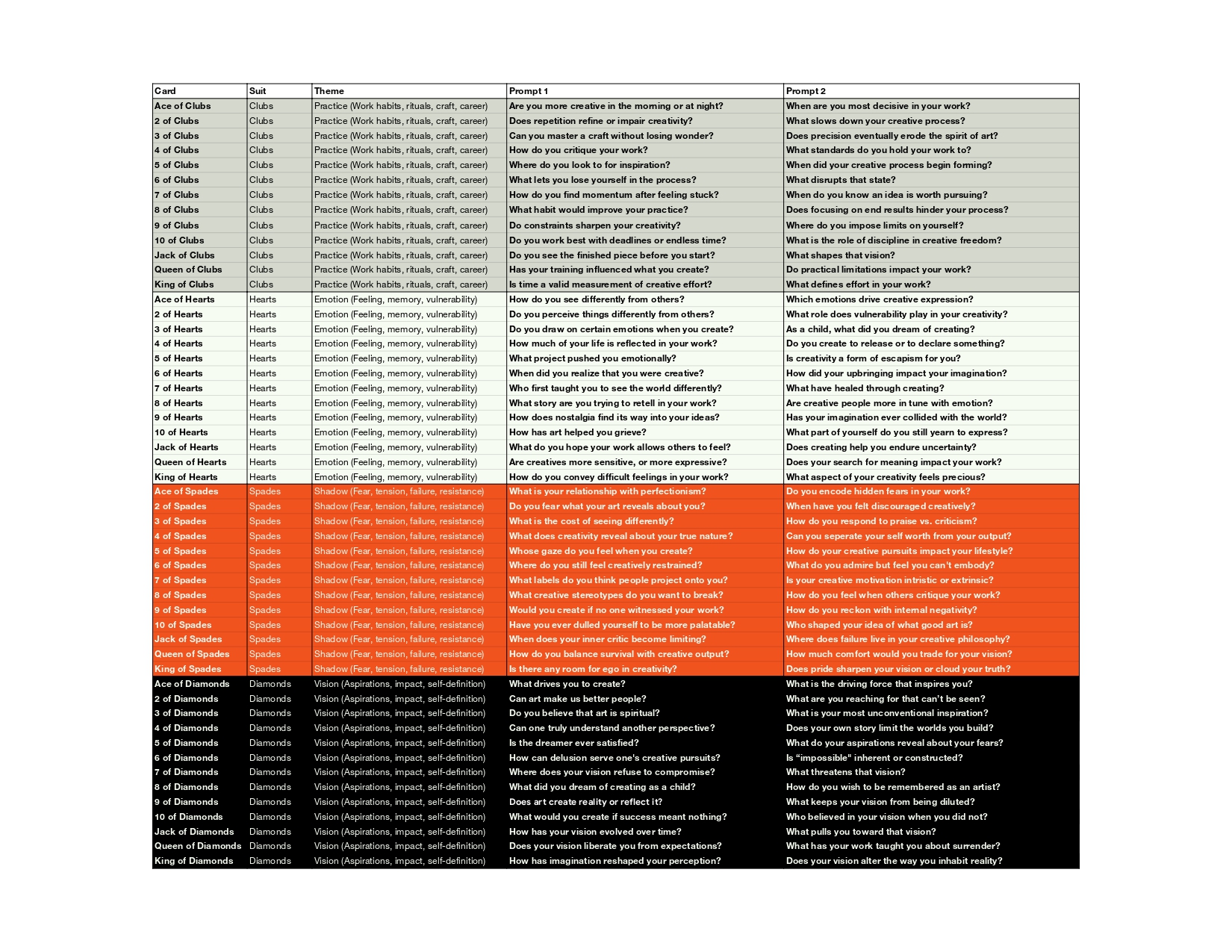
The design process began with the questions themselves. Rather than writing 104 disconnected prompts, I built a content system around four thematic suits: Practice explored work habits, ritual, craft, and career; Emotion focused on feeling, memory, and vulnerability; Shadow addressed fear, tension, failure, and resistance; and Vision looked toward aspiration, impact, and self-definition.

Development and User Experience
I developed a working spreadsheet for all 52 cards, assigning each its suit, theme, and two individual prompts, which became both a copywriting tool and a way of auditing the deck for repetition, pacing, tone, and thematic balance.
The writing was also shaped by the physical constraints of the object: every question needed to retain its meaning while fitting within a narrow vertical composition. Question one runs along the left side of the card reading bottom to top, while question two runs down the right side reading top to bottom, with the base of each line of text facing inward toward the center.
To move from one prompt to the next, the user physically flips or rotates the card, creating a small kinesthetic interaction in which the typography itself communicates how the object should be handled. That movement became part of the experience: read, respond, turn, reveal, transforming the copy from information placed onto the design into an active part of the product’s UX.
The result is a system where writing, typography, sequencing, and physical behavior are inseparable, with each constraint helping shape the final language and reinforcing the larger idea that meaningful creative work often begins not with an answer, but with a better question.

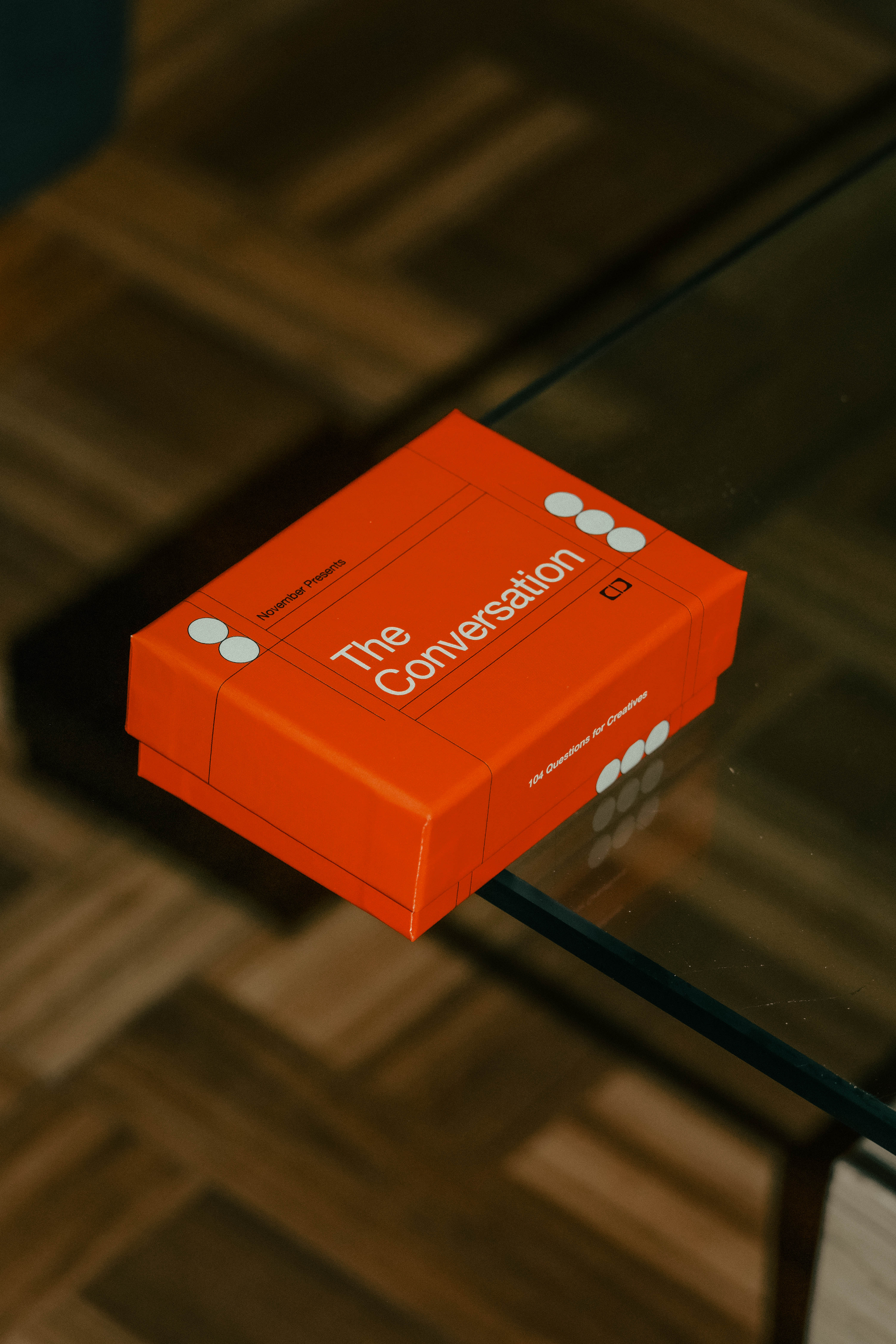
The Conversation Launch Campaign
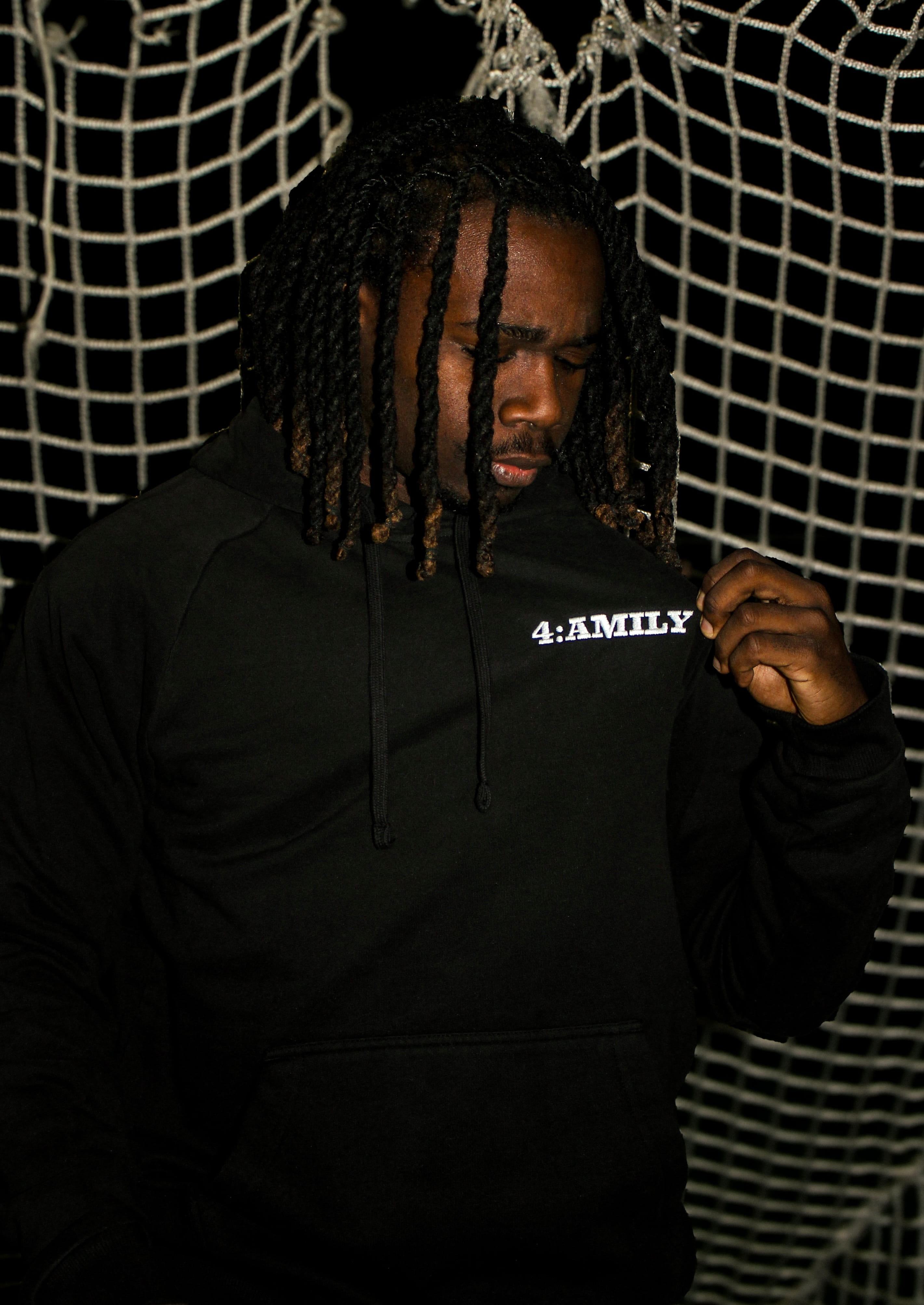
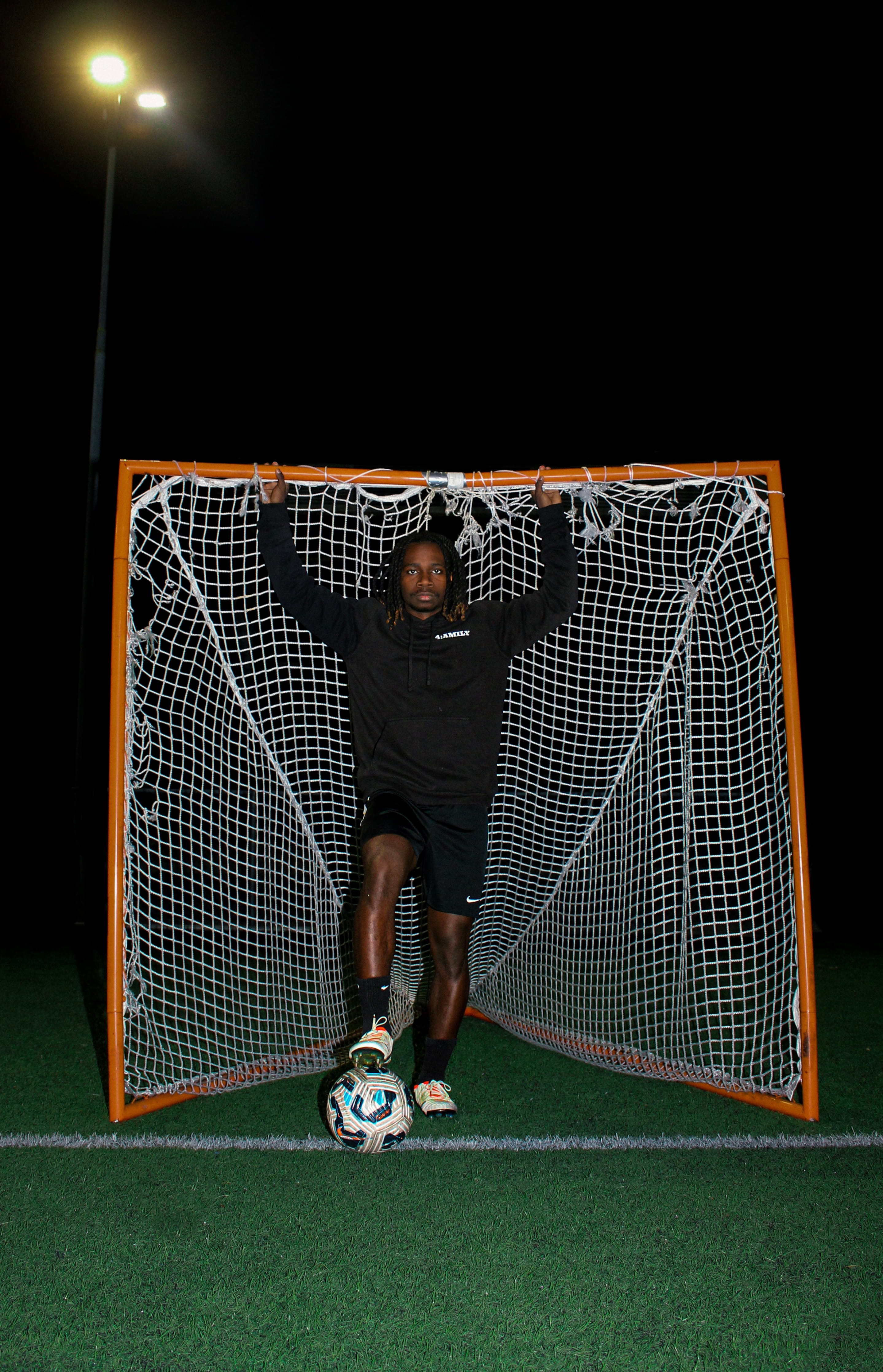
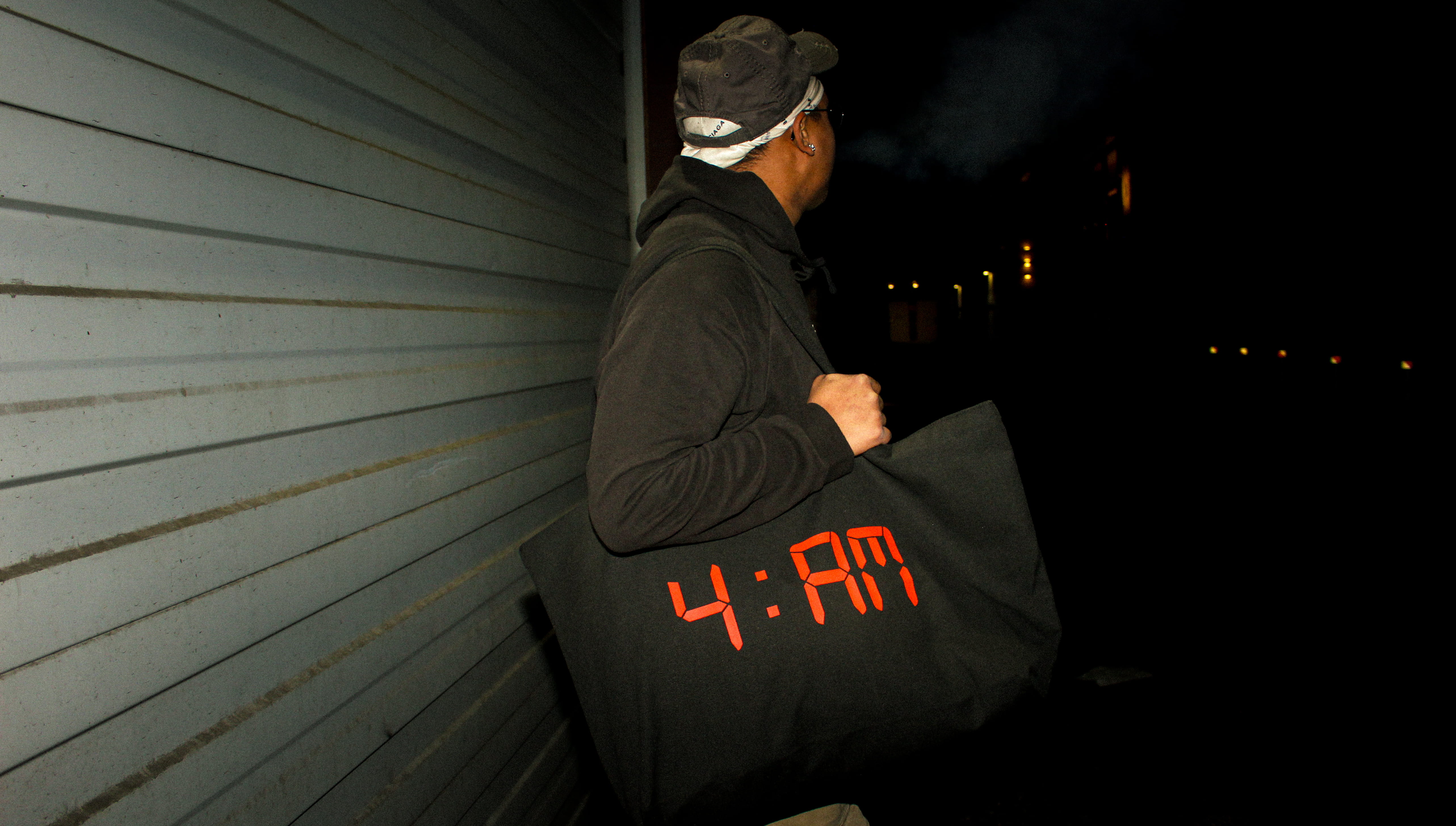
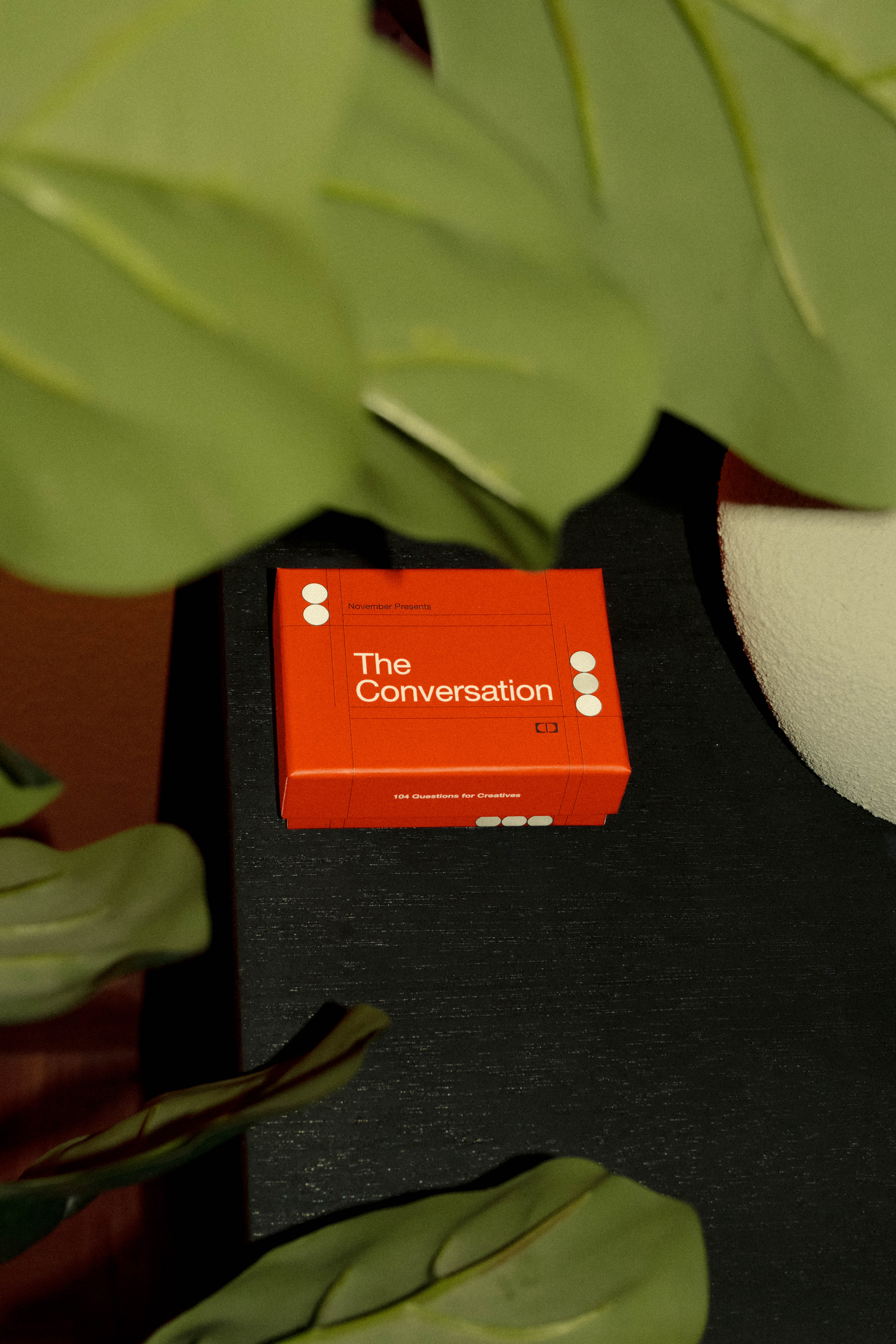
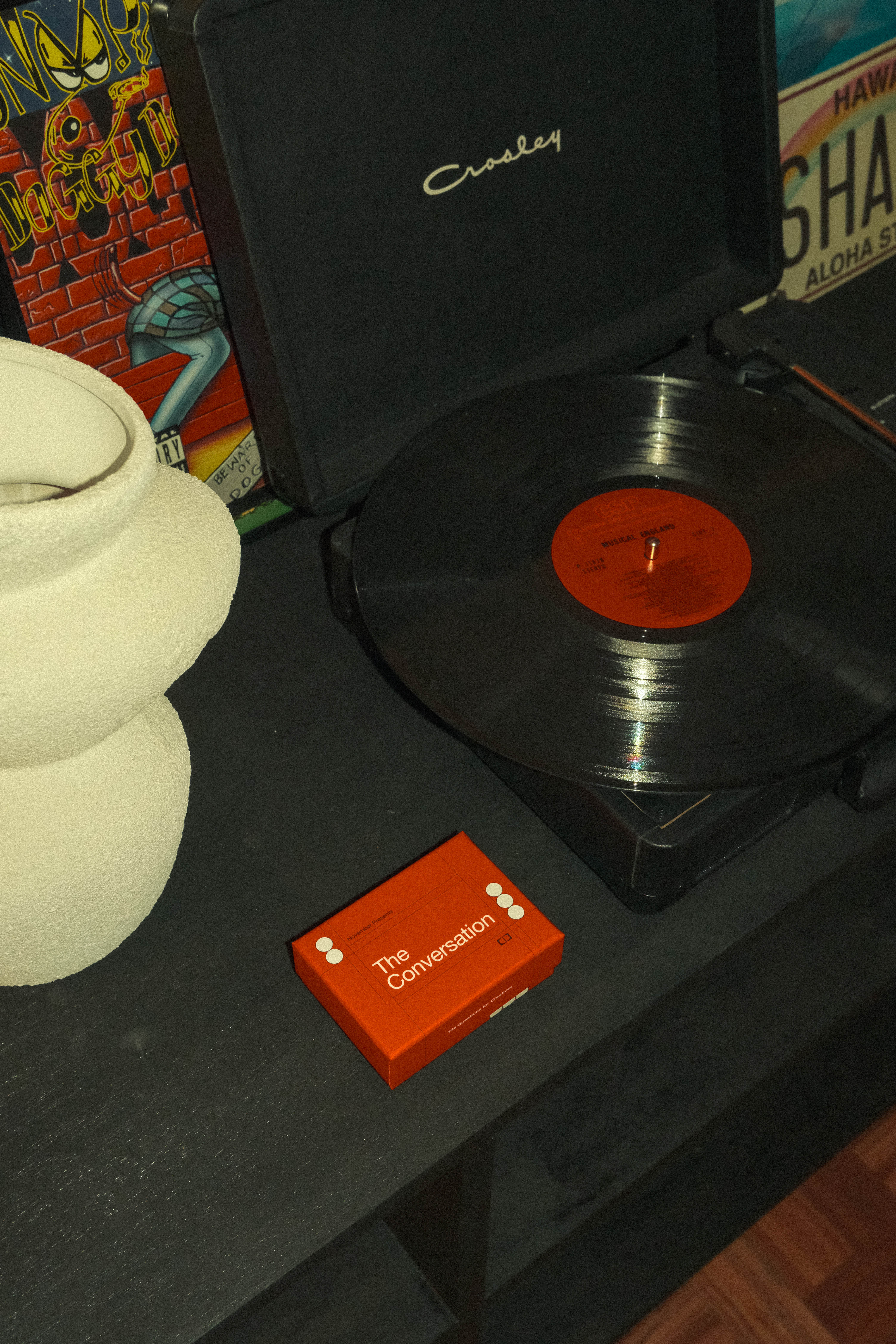
The launch campaign extended The Conversation beyond the object itself and into the creative community it was designed for. I built the campaign around real interaction with the deck, inviting local creatives to play the game on camera and using those conversations to create both long-form and short-form content. This allowed the campaign to demonstrate the product through use, resulting in organic storytelling, personality, and community-driven content.
The deck was also gifted to selected local creatives, helping place the product directly into the hands of the audience it was made for while encouraging organic conversation, sharing, and continued use beyond the initial launch.
Together, the content and gifting strategy positioned The Conversation not just as a product to purchase, but as a participatory creative experience designed to move through studios, friendships, collaborations, and conversations.
The Response
The Conversation began building momentum before its full release, with ten decks sold during the initial presale and continued interest once the product officially went live. More importantly, the response validated the idea behind the project: that there was an audience for a creative product centered not on output, but on reflection, dialogue, and shared experience.
As the deck continues to circulate through the local creative community, it has become both a product and a conversation piece, reinforcing the project’s original goal of creating something that could live beyond November itself and become a tool people return to, share, and use with others.
Deliverables
- 104-question prompt system
- Card copywriting and content architecture
- Suit and thematic system development
- Card layout and typographic system
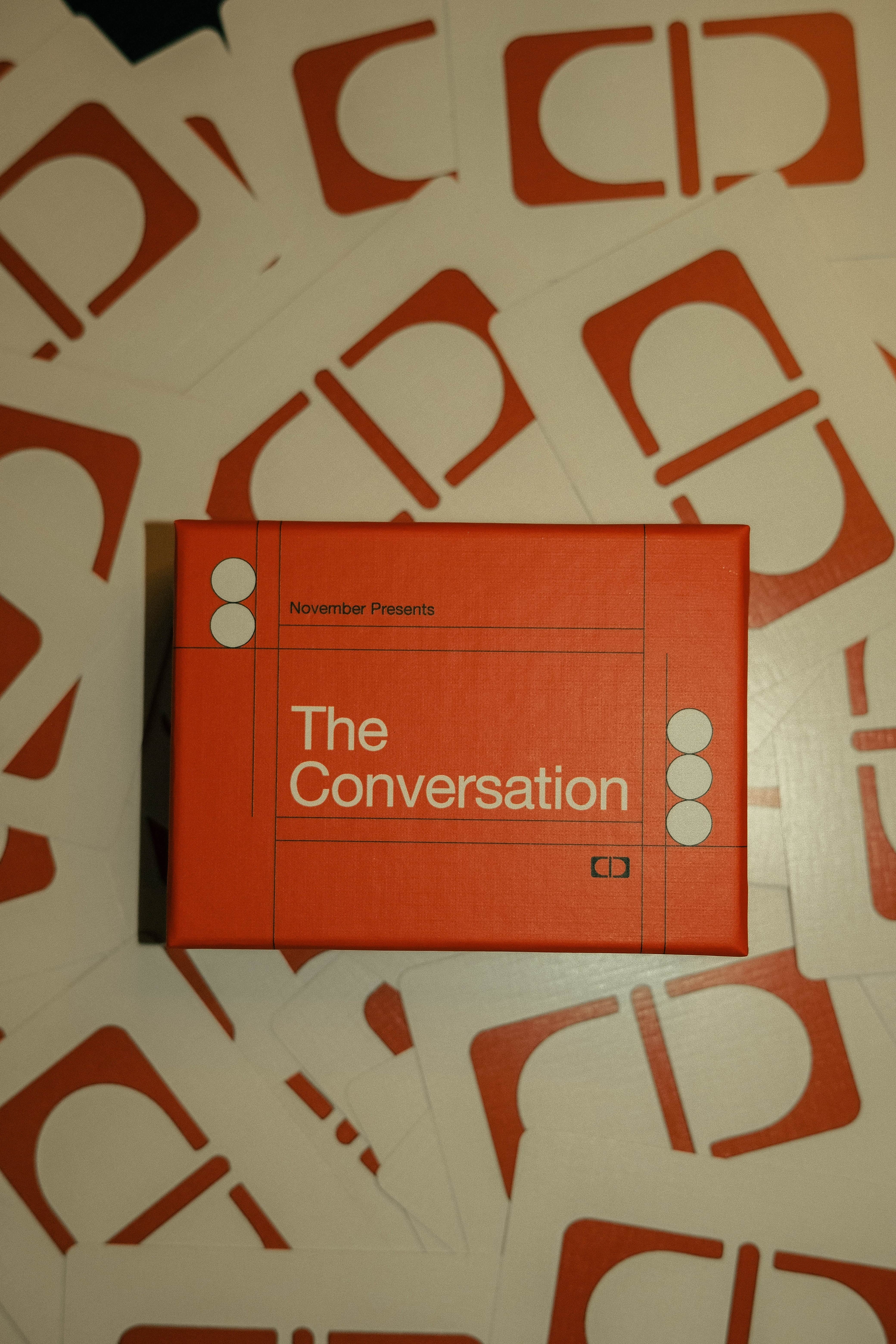
- Packaging design
- Product photography and art direction
- Launch campaign creative
- Long-form interview/gameplay content
- Short-form social content
- Creator gifting strategy and outreach
- Presale and ecommerce launch assets